

Dear fellow travellers,
I’m writing this from home.
That sentence still feels strange to type. For months, home was a mountain, a bell at 4 am, a small room that smelled of incense and damp wood. Then a Buddhist nun said something to me that I wasn’t ready to hear, and I decided I needed to rest somewhere softer. So I came back. I’m sleeping in a real bed. There are no prostrations before breakfast.
I’m not sure whether leaving was the right decision or the comfortable one. Probably both. But that’s a letter for another Wednesday.
This one is about a phone call I had with my friend.
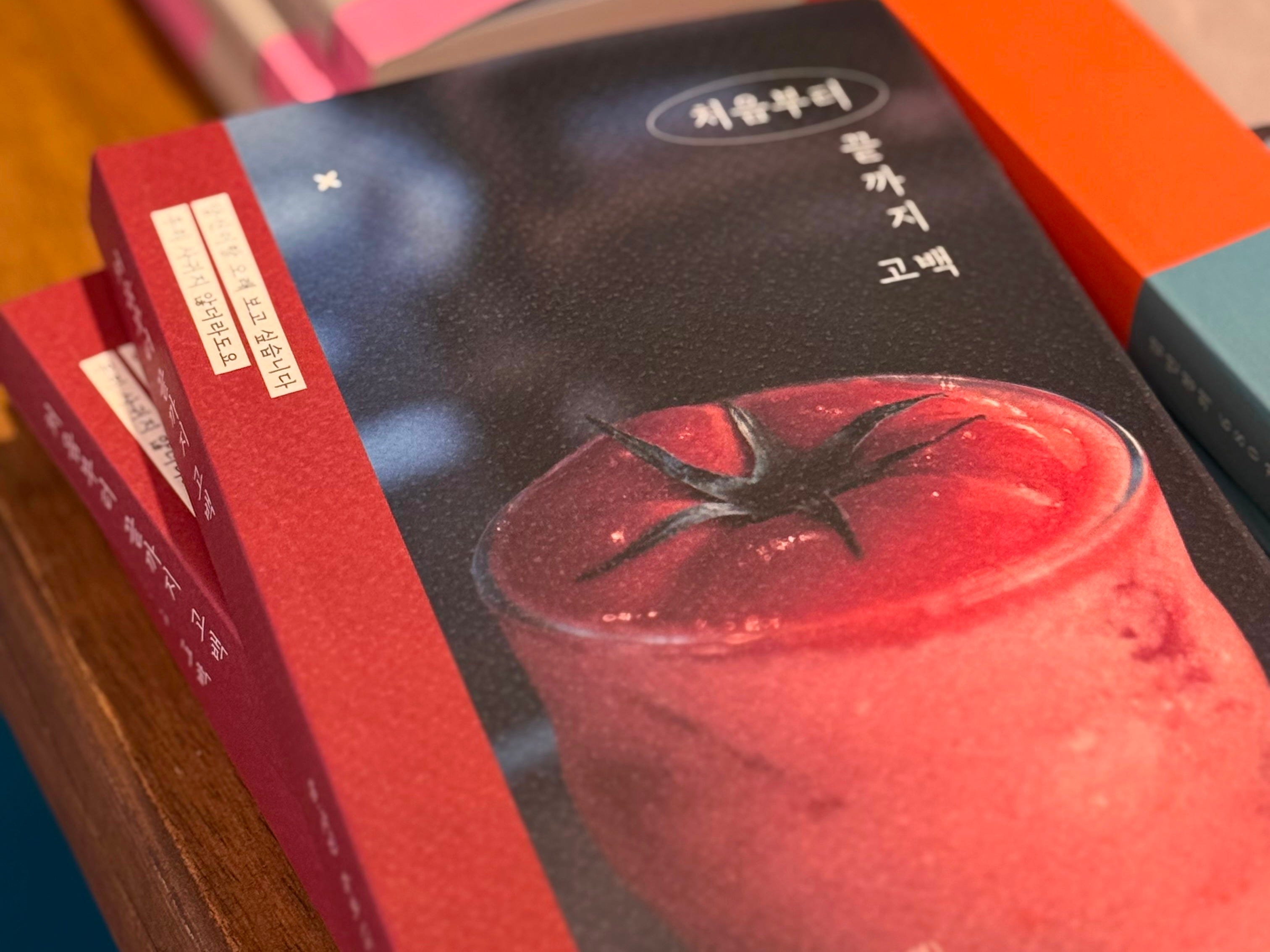
The Declaration
We have known each other since middle school. More than fifteen years. She is a therapist now — not my therapist, my friend, which is its own specific category with its own rules — and she knows my patterns the way only someone can who has watched them form in real time, from adolescence, from the beginning.
I avoided her for most of my twenties. Not out of resentment. I love her wit and her sassiness and the sharpness of how she sees things. That was precisely the problem. I wasn’t ready to be seen that clearly. I wasn’t ready to absorb what she would inevitably observe about me, so I kept a careful distance and told myself we had simply drifted, the way people do.
We fought terribly as teenagers, the way girls who know each other too well sometimes do — with words aimed precisely at the places that would hurt most, because we had the map of each other and we weren’t always careful with it. But that’s also how I know she loves me. You only have that map of someone if you’ve been paying very close attention. And the people who have been paying that kind of attention, who still show up after everything, are not people to be kept at arm’s length.
I called her and told her what had been moving through me since leaving the temple. The long view of things. The patterns I could finally see clearly now that I had some distance from them.
And then I said it. With full conviction. With the gravity of someone making a decision that would change everything:
From now on, I renounce calling someone my destiny.
I meant it completely. I had arrived at this conclusion through months of quiet and grief and 108 prostrations and the particular clarity that comes when you strip your life down to almost nothing and can finally see what was underneath. The belief in destiny — the bone-deep, cosmically confirmed certainty that this person was meant for me, that our love was written somewhere before we were born — that belief was the root of everything. The obsession. The inability to let go. The way I had handed over the steering wheel of my own life to a feeling and called it fate.
I was done with it. I was renouncing it. Starting now.
There was a pause on the other end of the line.
And then she laughed.
What She Said
Not unkindly. Not dismissively. The laugh of someone who loves you and also sees you very clearly — and who, it should be said, has her own particular architecture of patterns that she navigates with the same imperfect effort.
That’s like me saying I renounce sacrificing everything for someone I’ve fallen in love with, she said, and then not blaming them for taking the generosity — when they eventually find out about the little lies I told to make them like me more.
She said it so specifically, so matter-of-factly, that we both knew she wasn’t speaking hypothetically. She has her map, and I have mine. We’ve both been building cathedrals in the dark for as long as we’ve known each other.
We say these things, she continued. We mean them completely. It’s a New Year’s resolution. You make it at midnight with absolute sincerity and by February you’ve already forgotten.
I didn’t argue. I didn’t want to. The declaration had come from somewhere real and deep — I wasn’t performing it, wasn’t saying it for effect. But the moment she said it, I knew she was right. I had known before she said it, I think, which is probably why I called her instead of simply writing it in my journal and leaving it there.
The Snail Trail
She said something else, and I’ve been carrying it since.
We all have problems, she said. Sometimes they show, sometimes they don’t. But sometimes you are so hurt that your illness shows like a snail trail. You drag it behind you and it leaves marks everywhere — blood marks, the kind that don’t dry quickly. You can’t help it. People can see exactly where you’ve been.
And you can’t keep something like that to yourself. You can’t hold PTSD inside and expect it to dissolve quietly. It doesn’t work that way. It implodes if you try to contain it.
So you share it. You tell the story, and you tell the story again, and you keep telling it — like a broken tape recorder playing the same passage on loop — until one day something in you shifts, and you think:
Oh.
I am done with this. Why should I let this be my narrative? Until when should I blame everything on something that happened to me? I am so done.
That oh — that’s the thing. Not a dramatic revelation. Not a transformation scene with music. Just a quiet, almost irritable moment of recognition: I have told this story enough times now. I know how it ends. I don’t need to keep playing it.
I don’t know when my oh is coming. I’m still somewhere in the middle of the tape, still finding new ways to tell the same story. But I think — and this feels important — I think I’m getting closer to the end of it. The fact that I can see the loop at all feels like progress. The fact that I called her instead of disappearing back into the silence of my twenties feels like progress.
The fact that when she laughed, I laughed too.
The Thing About Destiny
Here is what I actually believe, if I’m being precise about it: I don’t think the universe arranges meetings. I don’t think love is written in advance. I am not, in any coherent intellectual sense, a person who believes in destiny.
And yet.
When it happens — when the feeling arrives — the certainty is total. It doesn’t feel like a belief I am choosing. It feels like a fact I am recognising. Like the difference between deciding the sky is blue and simply looking up.
This is, I think, the particular cruelty of having a mind like mine. The intensity isn’t a choice. The meaning-making isn’t a choice. My brain takes an experience and immediately, automatically, constructs an entire architecture of significance around it — and by the time I am consciously aware of what’s happening, I am already living inside a cathedral I built in the dark.
Renouncing destiny, then, is not a decision I can make once and have it stick. It is something more like what she described: a practice. An ongoing, daily, frequently-failing attempt to notice the cathedral going up and ask myself whether I actually want to live there.
Some days I’ll catch it early. Some days I’ll already be choosing the curtains before I realise what I’ve done.
This is, apparently, what it means to have a personality and also try to grow.
The temple taught me many things. One of them is that transformation is almost never the dramatic thing you imagine it will be. It happens in the small repeated choices. The morning you don’t send the message. The moment you notice the cathedral going up, sit down for a minute before you start decorating.
I still believe in love with an intensity that frightens me sometimes. I probably always will. I don’t think that’s something I’m meant to remove from myself — only something I’m learning to hold more carefully.
I renounce destiny.
Starting now.
I’ll let you know how February goes.
Emotionally yours (optimistically, this time),
Suinny
From home, where the bed is soft, and the questions are the same
P.S. — If you’ve ever made a declaration to yourself that your own brain immediately started undermining, I’d genuinely love to hear about it. Reply to this letter. It will make me feel better about mine.
P.P.S. — The Buddhist nun conversation is its own letter. It’s coming. I’m still finding the words for it.