

Dear fellow travellers,
I want to tell you about a Friday night that went well, and what happened afterwards.
But first, I need to go back a little.
I have known these friends for years. They have seen fragments of my relationships — the good parts, the curated parts, the version of a life that you present at gatherings without necessarily intending to perform. We had drifted, the way people drift when someone goes through something large and private and doesn’t quite know how to bring it back to the table.
The truth is, I had pulled away. Not because I stopped caring about them. But because someone told me, repeatedly and with great conviction, that I should. That my friends didn’t particularly like me. That I was selfish, and fake, and too much, and no real fun to be around. That my presence was something people tolerated rather than wanted.
I want to be careful here, because this is where it gets complicated.
The thing about gaslighting — the thing that makes it so difficult to name and so easy to internalise — is that it rarely works with material that is entirely false. It works by taking something real about you, something you already carry a quiet uncertainty about, and enlarging it until it fills every room. The criticisms that lodged deepest were the ones that had a grain of something true in them.
I know I am too much sometimes. I feel too much, express too much, reveal too much. I am brutally honest in ways that can be difficult to be around. Emotionally slutty. These are real things about me. They were real before anyone named them as flaws. I had made a kind of peace with them — my particular texture, my imperfections, the things that were mine.
What I hadn’t accounted for was how fragile that peace actually was.
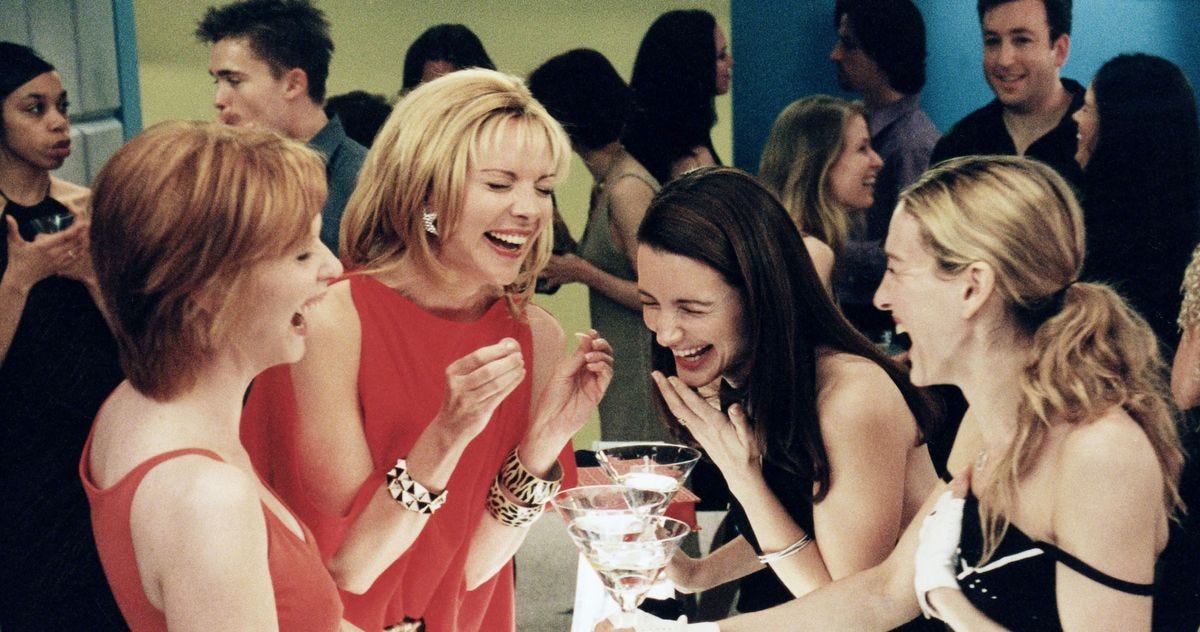
Before
Before all of this, I had a relationship with my own social presence that I would describe as settled. Not without complexity — I have always had a complicated history with belonging, with being accepted into groups, with the particular anxiety of wondering whether I am welcome. I learned, slowly and through effort, to hold that anxiety more lightly. To tell myself: if they don’t like me, that is survivable. We grow a distance. That is fine.
I was a good friend, I thought. I showed up when it mattered. I was genuinely glad for people. I did not particularly care whether I was the centre of anything — I knew my place in a gathering and I was comfortable there. I was not someone who worried constantly about whether my presence was wanted.
I had always had a problem with being accepted into groups. But I had learned to accept myself as I was, and to be okay with rejection.
Or so I thought.
The Wiring
Some words and sentences, said often enough by the right person at the right moment of vulnerability, stop being sentences. They become something structural. They get wired in.
Your friends don’t like you. They find you selfish. They don’t really care about you. You are fake. You pretend. You have no substance. You are too sensitive. No wonder they don’t like you. You are a lot. You are no fun to be around. You shouldn’t even be talking to them.
I heard these things during a period when I had very little left to resist them with. My body was failing me. My coping mechanisms had been stripped away one by one. I was dependent, in ways I had never been before, on someone whose interest it served to have me believe these things.
I know that now. I could not quite know it then.
What I knew then was the slow erosion of something I had built carefully over years. Not the friendships themselves — those remained, patient and intact, waiting on the other side of the months I went quiet. But my belief in them. My belief that I was welcome. My belief that the people who had chosen to know me had made a reasonable choice.
Friday Night
I met them. We drank. We talked the way people talk when they have known each other long enough to skip the surface and go somewhere more interesting. It was a genuinely good night. I laughed. I felt, for stretches of it, like myself.
On the way home, I had a panic attack.
I want to sit with that for a moment, because I think it deserves it. The night was fun. Nothing bad happened. No one said anything unkind. And yet my nervous system, trained now to wait for the evidence that I am unwanted, found a way to generate the verdict anyway.
For days afterwards, I replayed it. Every word I had said, examined for excess. Every moment a friend had shifted in their chair or looked away briefly, reread as a verdict. I censored myself retroactively — that was too much, that was too honest, you talked too much, you revealed too much, you ruined it. The voice was very certain. The voice is always very certain.
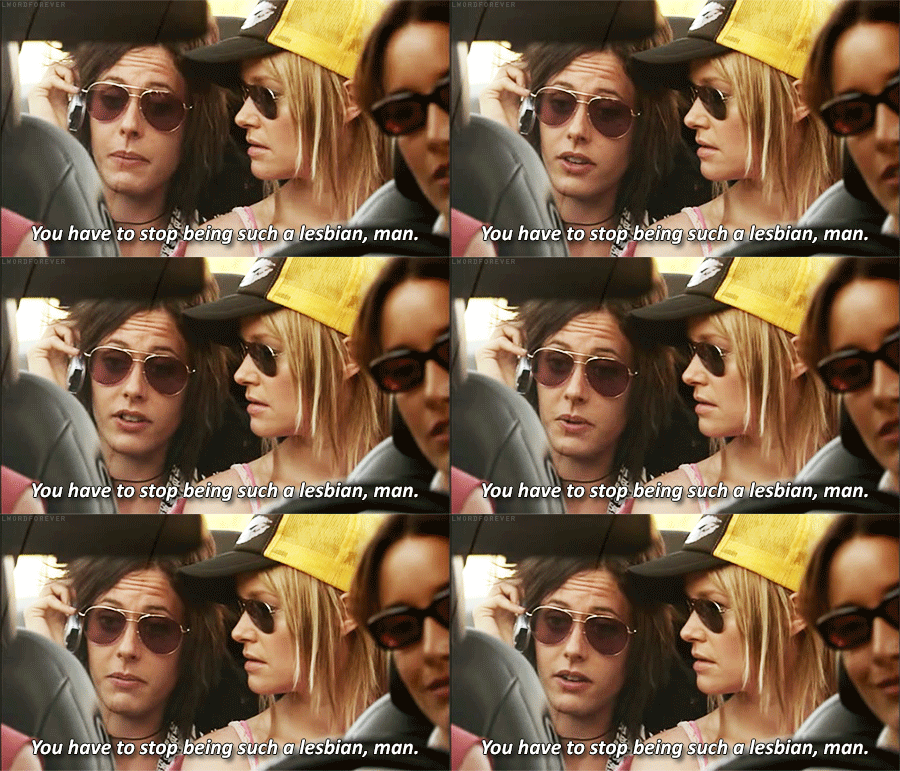
I know, consciously, that it is not true. I know I am overthinking. I know the panic is the illness, not the evidence.
But I cannot always stop it. Knowing and stopping are different skills, and I am still learning the second one.
The Real Question
What I lost, somewhere in that period of being told I was unwelcome, was not the friendships. It was my trust in my own reading of them.
Before, I had a kind of confidence in my own perception of how I was received. I could tell when someone liked me and when they didn’t, and I trusted that reading. I trusted that if my friends had a real problem with me, they would tell me — because that is what real friends do, and I had real friends.
That confidence is gone. In its place is a constant, exhausting second-guessing. An inability to trust the pleasant evening at face value. A compulsion to search the footage for the moment things went wrong.
This, I think, is what gaslighting actually takes from you. Not the relationships. Not even, entirely, your self-image. It takes your trust in your own perception. And without that, every good thing becomes provisional. Every welcome becomes suspect. Every laugh, every moment of warmth, gets filtered through the question: but what did they really mean?
I am trying to rebuild that trust. It is slow work. It does not happen in a single good Friday night, however genuinely good the night was.
But I went. I stayed. I let myself be there, in the room, with people who have known me for years and chosen, repeatedly, to keep knowing me.
That has to count for something.
I am choosing to let it count.
Emotionally yours (anxious, but present),
Suinny
From home, where I am trying to trust the good nights at face value
P.S. — If you have ever had a panic attack after something went well, and spent days afterwards trying to figure out what you must have done wrong: I see you. You are not alone in this. Reply to this letter.
P.P.S. — The friends, for what it’s worth, have been nothing but warm. The problem was never them.